
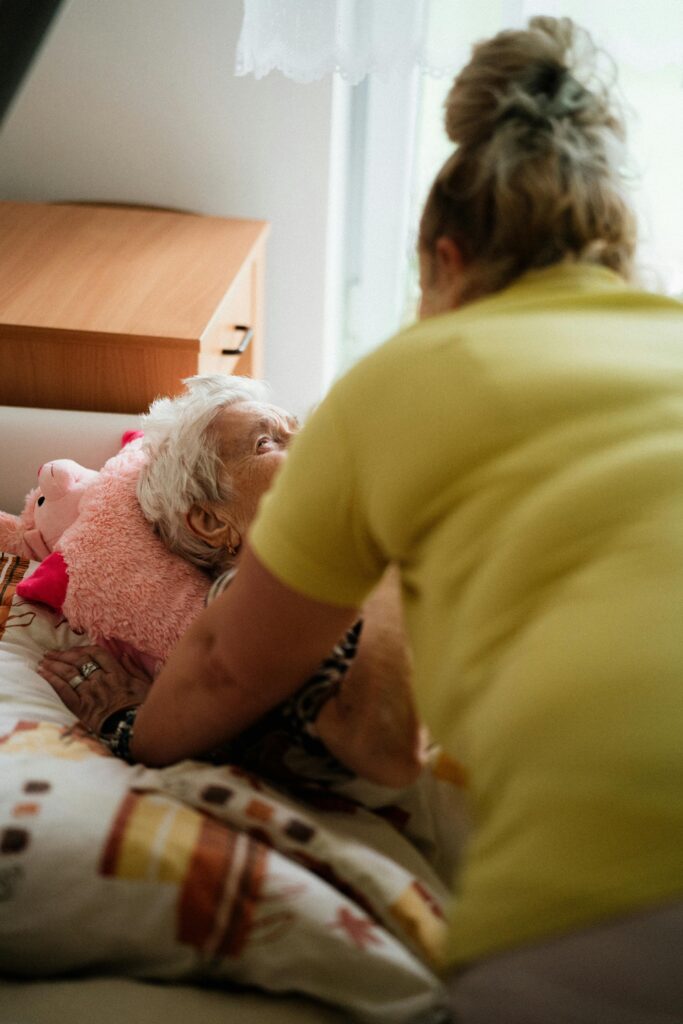
How Senior Care Centres Maintain Daily Records 📋👵👴
Accurate daily record-keeping is a critical part of professional senior care. Senior care centres maintain structured documentation systems to ensure resident safety, medical accuracy, accountability, and transparent communication with families.
Daily records help caregivers track health changes, prevent errors, and deliver consistent, personalized care.
Why Daily Records Are Important 🧡
Maintaining daily records helps:
✔ Monitor residents’ health conditions
✔ Prevent medication errors
✔ Detect early warning signs
✔ Improve communication between staff shifts
✔ Provide transparency to families
✔ Meet legal and regulatory standards
Proper documentation ensures continuity and quality of care.
1️⃣ Daily Health Monitoring Logs 🩺
Senior care centres document key health details such as:
- Blood pressure
- Blood sugar levels
- Pulse and oxygen levels
- Temperature
- Weight changes
These logs help track patterns and alert staff to potential health concerns early.
2️⃣ Medication Administration Records (MAR) 💊
Medication safety is one of the most important aspects of record-keeping.
Daily medication records include:
✔ Name of medication
✔ Dosage and time given
✔ Method of administration
✔ Signature of caregiver or nurse
✔ Any observed side effects
This reduces the risk of missed doses or duplicate medications.
3️⃣ Personal Care & Activity Logs 🛏️
Care centres document daily assistance provided, including:
- Bathing and grooming
- Feeding support
- Mobility assistance
- Position changes (for bedridden residents)
- Participation in activities
These records ensure that all personal care needs are consistently met.
4️⃣ Nutrition & Hydration Records 🍲💧
Maintaining proper nutrition is vital for seniors.
Daily records often include:
✔ Meals consumed
✔ Appetite levels
✔ Fluid intake
✔ Special dietary restrictions
Tracking food intake helps prevent malnutrition and dehydration.
5️⃣ Incident & Safety Reports 🚨
If an unusual event occurs, such as:
- Falls
- Minor injuries
- Behavioral changes
- Medical emergencies
Staff complete an incident report detailing what happened, actions taken, and follow-up steps. This improves accountability and safety planning.
6️⃣ Shift Handover Notes 🔄
At the end of each shift, caregivers document:
✔ Resident’s condition
✔ Any new symptoms
✔ Changes in medication
✔ Special instructions
This ensures smooth communication between staff members and avoids information gaps.
7️⃣ Digital vs. Manual Record Systems 💻📖
Modern senior care centres may use:
- Electronic Health Record (EHR) systems
- Digital monitoring tools
- Secure cloud-based documentation
Some centres still use structured paper logs. Regardless of format, accuracy and confidentiality are essential.
8️⃣ Confidentiality & Data Protection 🔒
Senior care centres protect resident information by:
✔ Restricting access to authorized staff
✔ Securing physical and digital records
✔ Following privacy guidelines
✔ Maintaining confidential communication with families
Privacy protection strengthens trust and ethical compliance.
9️⃣ Family Communication & Updates 📞
Daily records also support transparent communication. Families may receive:
- Regular progress updates
- Health reports
- Notifications of significant changes
- Care plan reviews
Documentation ensures families stay informed and involved.
Benefits of Structured Daily Record-Keeping 🌿
Well-maintained records lead to:
✅ Better health monitoring
✅ Fewer medical errors
✅ Improved care consistency
✅ Faster emergency response
✅ Greater transparency and accountability
Proper documentation reflects professional and responsible care.
Final Thoughts 💛
Daily record maintenance in senior care centres is more than paperwork — it is a vital safety and quality tool. From medication logs to personal care tracking, structured documentation ensures elders receive consistent, attentive, and dignified care every day.
When care centres prioritize accurate record-keeping, families gain peace of mind, and seniors benefit from safer, more personalized support.