
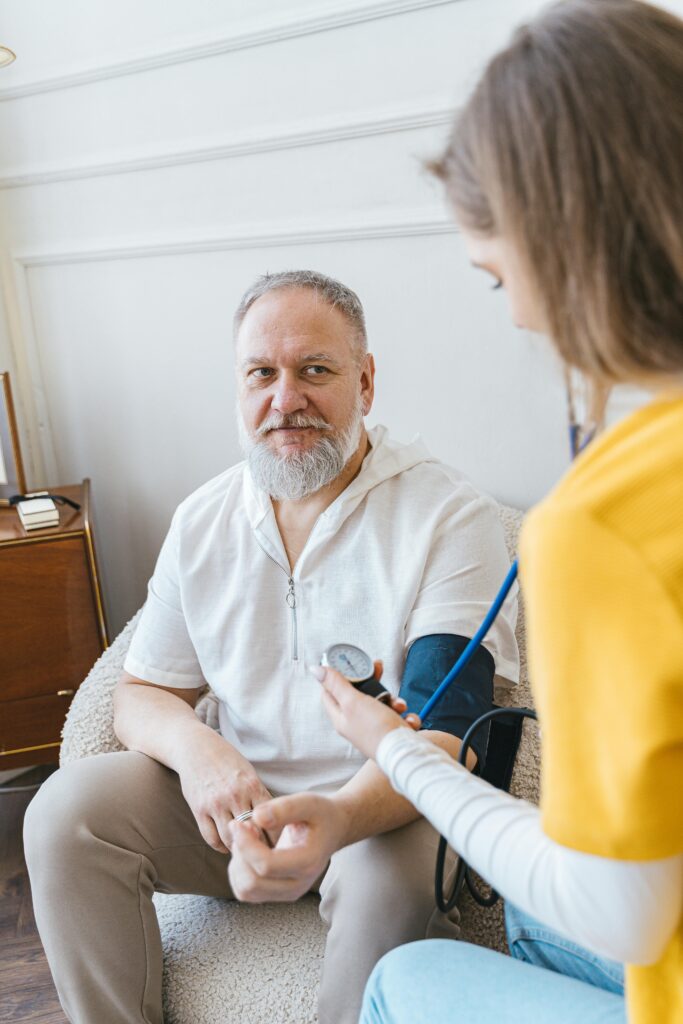
Importance of Monitoring in Senior Care 👵👴🩺
Monitoring plays a vital role in ensuring the health, safety, and well-being of senior citizens in care centres and home care settings. As people age, their health conditions can change quickly. Regular and structured monitoring helps detect problems early, prevent complications, and provide timely medical intervention.
Effective monitoring is not just about supervision — it is about proactive, preventive care.
Why Monitoring Is Essential in Senior Care 🧡
Older adults often live with chronic conditions such as diabetes, hypertension, heart disease, arthritis, or dementia. Without proper monitoring, minor symptoms can quickly become serious health issues.
Consistent monitoring helps:
✔ Detect early signs of illness
✔ Prevent medical emergencies
✔ Reduce hospital admissions
✔ Ensure medication accuracy
✔ Improve overall quality of life
1️⃣ Health & Vital Signs Monitoring 🩺
Routine tracking of vital signs allows caregivers to notice small changes before they become major problems.
Monitoring typically includes:
- Blood pressure
- Blood sugar levels
- Heart rate
- Oxygen levels
- Body temperature
- Weight changes
Early detection can prevent complications like strokes, infections, or cardiac events.
2️⃣ Medication Monitoring 💊
Medication errors can be dangerous for seniors. Monitoring ensures:
✔ Correct dosage and timing
✔ Prevention of missed or duplicate doses
✔ Observation of side effects
✔ Coordination with doctors
Careful medication monitoring reduces health risks significantly.
3️⃣ Mobility & Fall Risk Monitoring 🚶♂️
Falls are a major concern for elderly individuals.
Regular monitoring helps:
- Assess balance and mobility
- Identify weakness or instability
- Adjust mobility aids
- Implement fall-prevention strategies
Proactive supervision greatly lowers injury risk.
4️⃣ Bedridden & Pressure Ulcer Monitoring 🛏️
For seniors with limited mobility, constant monitoring is critical.
Care teams observe:
✔ Skin condition
✔ Repositioning schedules
✔ Signs of redness or sores
✔ Comfort levels
Early intervention prevents serious pressure ulcers and infections.
5️⃣ Nutritional & Hydration Monitoring 🍲💧
Malnutrition and dehydration are common in elderly individuals.
Monitoring includes:
- Appetite levels
- Food intake
- Fluid consumption
- Weight tracking
Proper nutrition strengthens immunity and supports recovery.
6️⃣ Cognitive & Emotional Monitoring 🧠💬
Mental health is just as important as physical health.
Caregivers monitor:
✔ Memory changes
✔ Mood swings
✔ Signs of depression or anxiety
✔ Behavioral changes
Early identification supports timely medical or psychological intervention.
7️⃣ Chronic Disease Management 📋
Many seniors manage long-term health conditions.
Regular monitoring ensures:
- Stable blood sugar in diabetics
- Controlled blood pressure
- Proper respiratory function
- Heart health stability
Structured tracking prevents sudden health crises.
8️⃣ Emergency Monitoring & Rapid Response 🚨
Monitoring systems help detect emergencies quickly.
Care centres often implement:
✔ 24/7 supervision
✔ Emergency call buttons
✔ Alarm systems
✔ Immediate medical access
Quick response can save lives.
9️⃣ Family Communication & Transparency 📞
Monitoring also supports regular updates to families.
Accurate tracking allows caregivers to:
- Share health progress
- Discuss changes in condition
- Adjust care plans
- Provide peace of mind
Transparent monitoring builds trust.
Benefits of Continuous Monitoring 🌿
Consistent supervision leads to:
✅ Early diagnosis
✅ Reduced complications
✅ Improved recovery rates
✅ Greater safety
✅ Enhanced comfort and dignity
✅ Better long-term health outcomes
Monitoring ensures seniors are never overlooked.
Final Thoughts 💛
The importance of monitoring in senior care cannot be overstated. Whether in a care centre or home setting, continuous health supervision protects elders from preventable risks and supports their physical, emotional, and mental well-being.
Effective monitoring transforms senior care from reactive treatment to proactive protection — ensuring elders live safely, comfortably, and with dignity.