
🩺 How Senior Care Centres Ensure Daily Monitoring 🕒
Daily monitoring is a cornerstone of quality care in senior care centres. As older adults may experience sudden changes in health, mobility, or emotional well-being, consistent observation helps ensure their safety, comfort, and overall quality of life. Through structured routines, trained staff, and modern tools, senior care centres provide reliable daily monitoring for every resident. 💙
👩⚕️ Trained Staff and Regular Check-Ins
Care centres employ skilled caregivers and nursing staff who perform routine check-ins throughout the day. These include:
- Monitoring vital signs such as blood pressure, temperature, and pulse ❤️
- Observing physical mobility and balance 🚶
- Checking for signs of discomfort, pain, or illness 🤒
Frequent interaction allows staff to quickly identify any changes and respond promptly.
💊 Medication Management and Observation
Senior care centres follow strict medication protocols:
- Medications are administered on schedule ⏰
- Staff monitor for side effects or missed doses 🔍
- Records are maintained to ensure accuracy and safety 📝
This daily oversight reduces medication errors and promotes better health outcomes.
🍽️ Nutrition and Hydration Monitoring
Caregivers closely track eating and drinking habits:
- Ensuring balanced meals and special dietary needs 🥗
- Monitoring appetite changes 🍎
- Encouraging adequate fluid intake 💧
Sudden changes in nutrition or hydration often signal underlying health concerns.
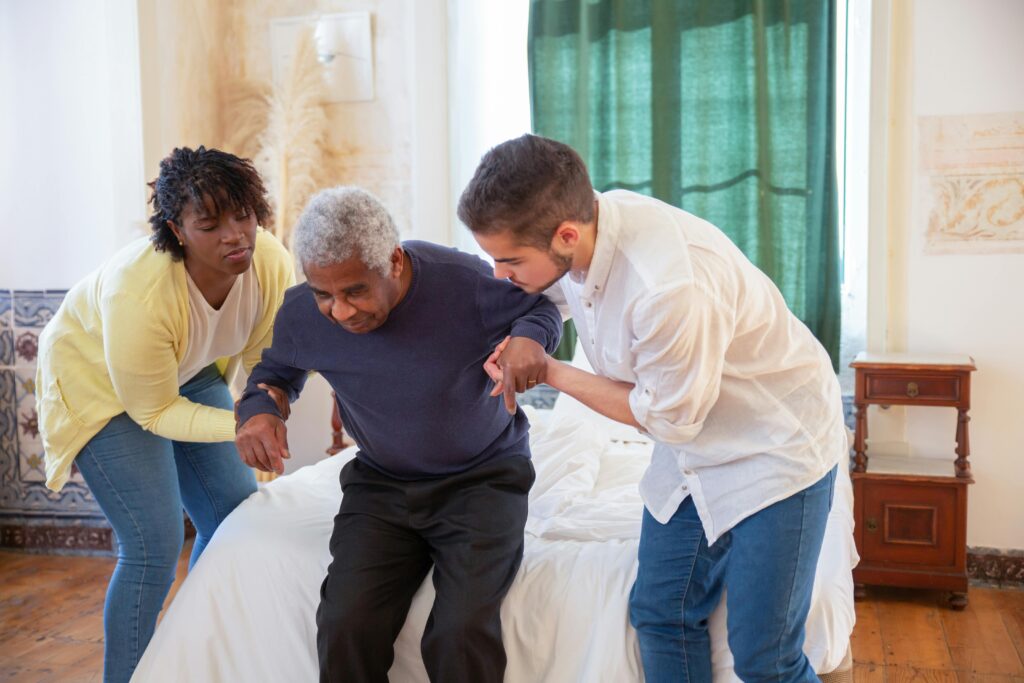
🛏️ Mobility and Fall Prevention Checks
Daily monitoring includes assessing mobility levels:
- Assistance with walking or transfers 🦽
- Use of mobility aids and safety equipment 🪜
- Regular room safety checks 🚪
These measures help reduce fall risks and maintain independence.
🧠 Emotional and Cognitive Well-Being Monitoring
Staff are trained to notice changes in mood or behavior:
- Signs of confusion or memory decline 🧩
- Emotional distress, anxiety, or withdrawal 💭
- Engagement in social activities 👥
Early detection allows timely support or medical evaluation.
📊 Use of Care Plans and Documentation
Each resident has a personalized care plan:
- Daily observations are documented 🗂️
- Care plans are updated based on changing needs 🔄
- Communication is shared among caregivers and healthcare professionals 📣
This ensures consistent, well-coordinated care.
📞 Communication With Families and Healthcare Providers
Care centres maintain open communication:
- Regular updates to family members 👨👩👧
- Coordination with doctors and specialists 🩺
- Immediate reporting of urgent changes 🚨
Transparency builds trust and ensures continuity of care.