
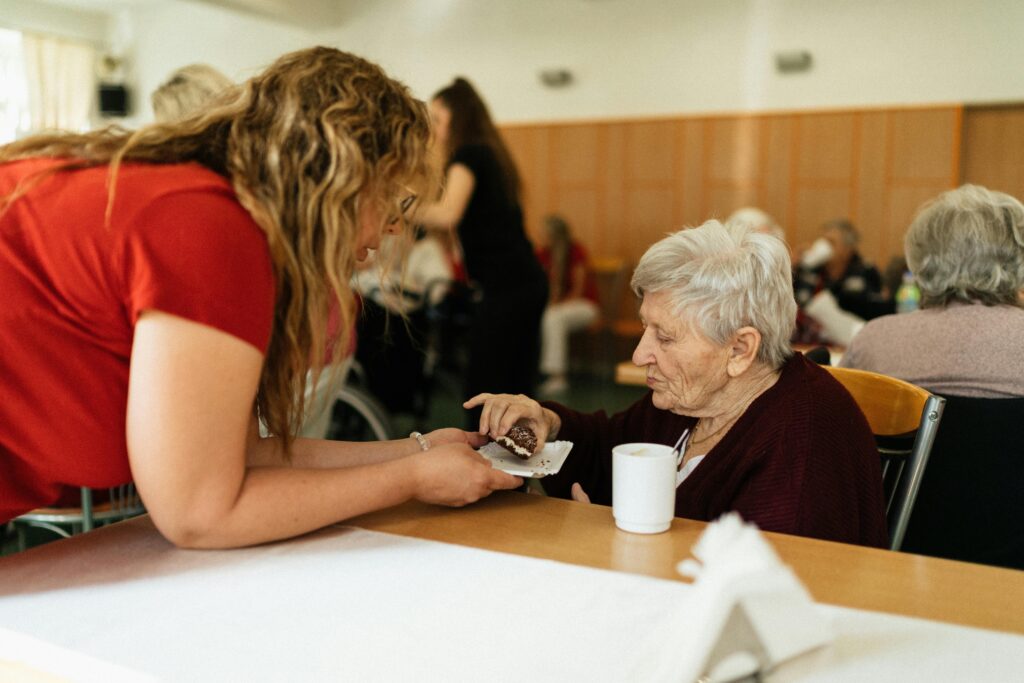
How Senior Care Centres Ensure Elder Safety 🛡️👵👴
Elder safety is the foundation of quality senior care. Reputable senior care centres implement structured systems, trained staff protocols, and secure environments to protect residents — especially those who are frail, medically vulnerable, or bedridden.
Here’s how senior care centres actively ensure elder safety every day.
1️⃣ Trained & Certified Caregivers 👩⚕️
Safety begins with qualified staff. Care centres ensure:
✔ Caregivers trained in elder care best practices
✔ First aid and CPR certification
✔ Safe lifting and transfer techniques
✔ Knowledge of dementia and mobility challenges
✔ Ongoing training programs
Well-trained staff reduce the risk of falls, injuries, and medical errors.
2️⃣ 24/7 Monitoring & Supervision 🕒
Continuous supervision helps detect problems early.
✔ Round-the-clock staff availability
✔ Regular room checks
✔ Monitoring of high-risk residents
✔ Night-time assistance
This is especially important for elders with limited mobility or cognitive conditions.
3️⃣ Fall Prevention Measures 🚶♂️
Falls are one of the most common risks for seniors. Care centres minimize this risk by:
✔ Installing non-slip flooring
✔ Providing grab bars in bathrooms
✔ Ensuring proper lighting
✔ Using mobility aids (walkers, wheelchairs)
✔ Conducting fall-risk assessments
Prevention strategies significantly lower injury rates.
4️⃣ Medication Safety & Health Monitoring 💊
Accurate medication management is critical.
✔ Timely administration of medicines
✔ Proper documentation
✔ Monitoring side effects
✔ Coordination with doctors
✔ Regular vital sign checks
Structured medication systems prevent dosing errors and complications.
5️⃣ Infection Control & Hygiene 🧼
Older adults have weaker immune systems, so hygiene is a priority.
✔ Daily sanitization of rooms
✔ Clean bedding and clothing
✔ Safe food preparation standards
✔ Hand hygiene protocols
✔ Isolation procedures if needed
These measures reduce the spread of infections.
6️⃣ Pressure Ulcer & Bedridden Care Protocols 🛏️
For bedridden residents, safety includes:
✔ Scheduled repositioning
✔ Pressure-relief mattresses
✔ Skin inspections
✔ Moisture control
✔ Nutritional support
These practices prevent bedsores and related infections.
7️⃣ Emergency Preparedness 🚨
Senior care centres maintain strong emergency systems:
✔ Fire alarms and safety drills
✔ Clear evacuation plans
✔ Quick ambulance access
✔ Emergency call buttons in rooms
✔ Immediate family notification protocols
Preparedness ensures fast response during critical situations.
8️⃣ Safe & Accessible Infrastructure 🏡
Facilities are designed for senior safety:
✔ Wheelchair-friendly pathways
✔ Handrails along corridors
✔ Barrier-free bathrooms
✔ Secure entrances and exits
✔ CCTV monitoring in common areas
A well-designed environment reduces accidents and enhances security.
9️⃣ Personalized Care Plans 📋
Each elder receives an individualized safety plan that includes:
✔ Medical history
✔ Allergy information
✔ Dietary needs
✔ Mobility level
✔ Special care requirements
Personalized care ensures that safety measures match the resident’s health condition.
🔟 Emotional & Psychological Safety 💛
True safety includes mental well-being.
✔ Social activities and engagement
✔ Respectful communication
✔ Family visit support
✔ Counseling if needed
Emotional security improves overall health and reduces stress.